Calls answered 24/7(704) 303-9161
(704) 303-9161

Indian Trail, North Carolina

Fire Damage Restoration in Indian Trail, NC

Call (704) 303-9161

Our local fire restoration professionals address soot on walls, smoke in fabrics, and water left by firefighting in Indian Trail homes. Call and describe the damage; the next stage starts with understanding what the fire department has cleared.

  • Calls answered 24/7
  • Fire Damage Restoration
  • Serving Indian Trail and nearby
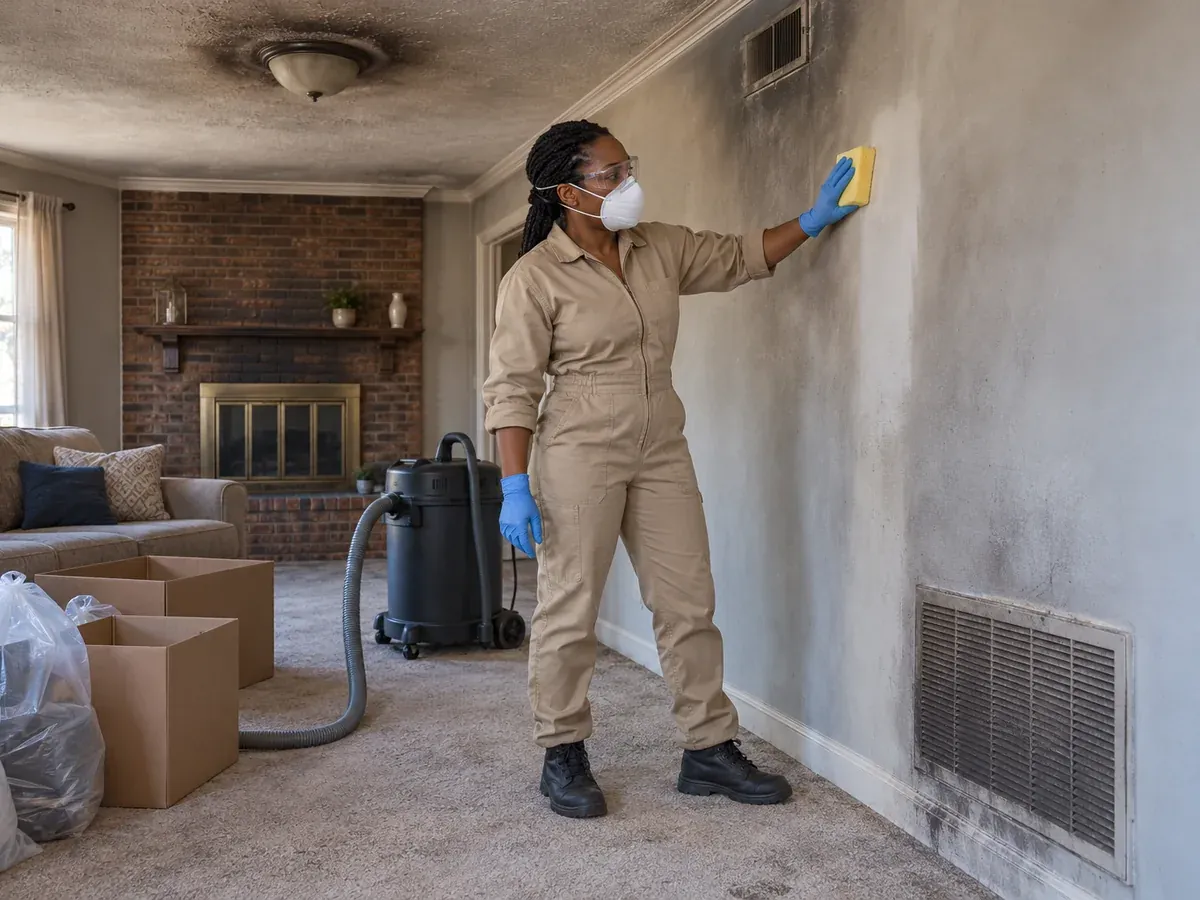
Person in tan coveralls and blue gloves sponging a soot-streaked wall beside a floor vent

Fire Damage Restoration Services for Indian Trail Homes

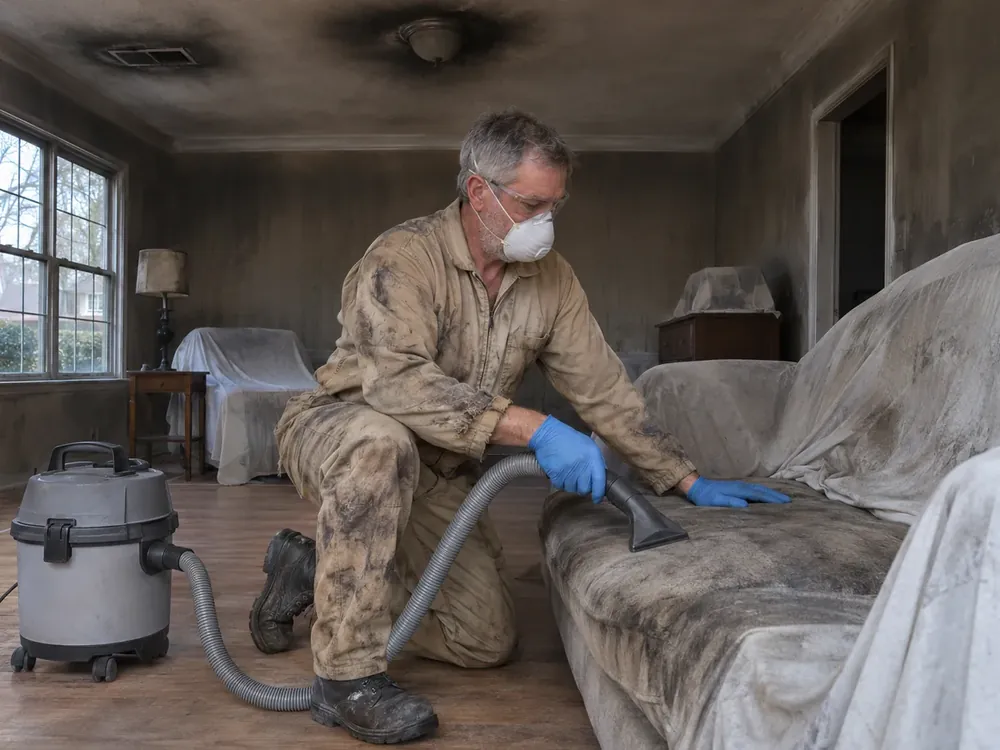
Smoke damage restoration in Indian Trail includes cleaning affected surfaces and examining belongings for embedded residue. Soot cleaning, water removal, and odor treatment address different parts of the damage, with repair needs discussed separately.

What Fire Leaves on Walls, Fabrics, and Floors

What was touchedWhat it usually leavesWhat usually has to happen
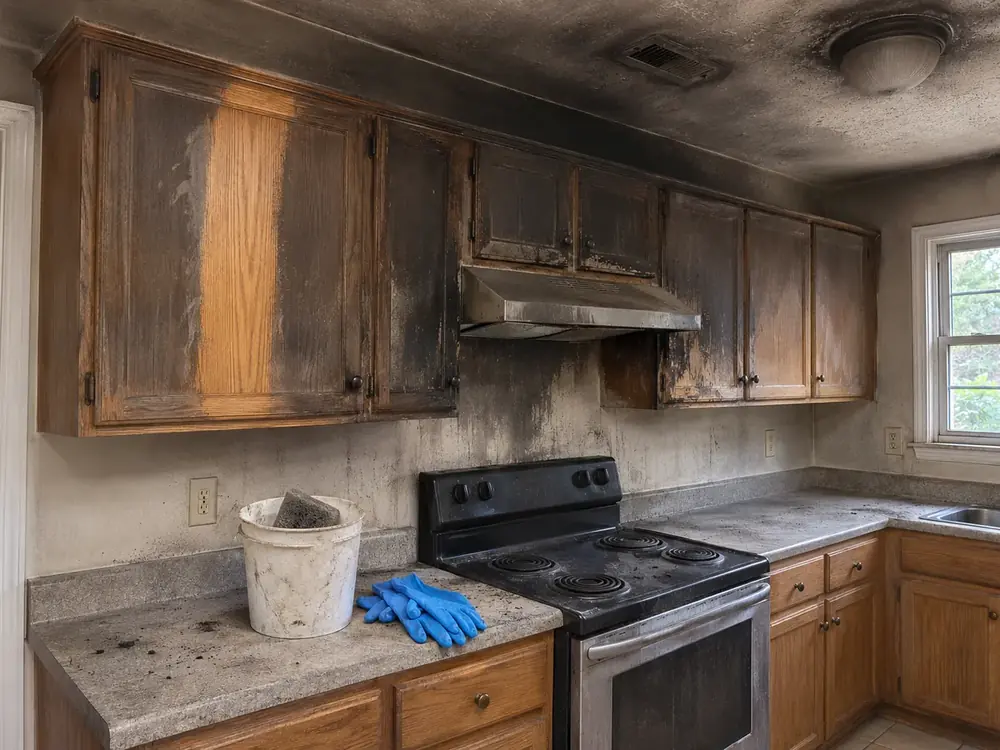
Cabinets above a stoveGreasy residue and scorched finishesTest cleaning and assess damaged panels
Curtains beyond the kitchenSmoke odor within fabricEvaluate separate fabric cleaning
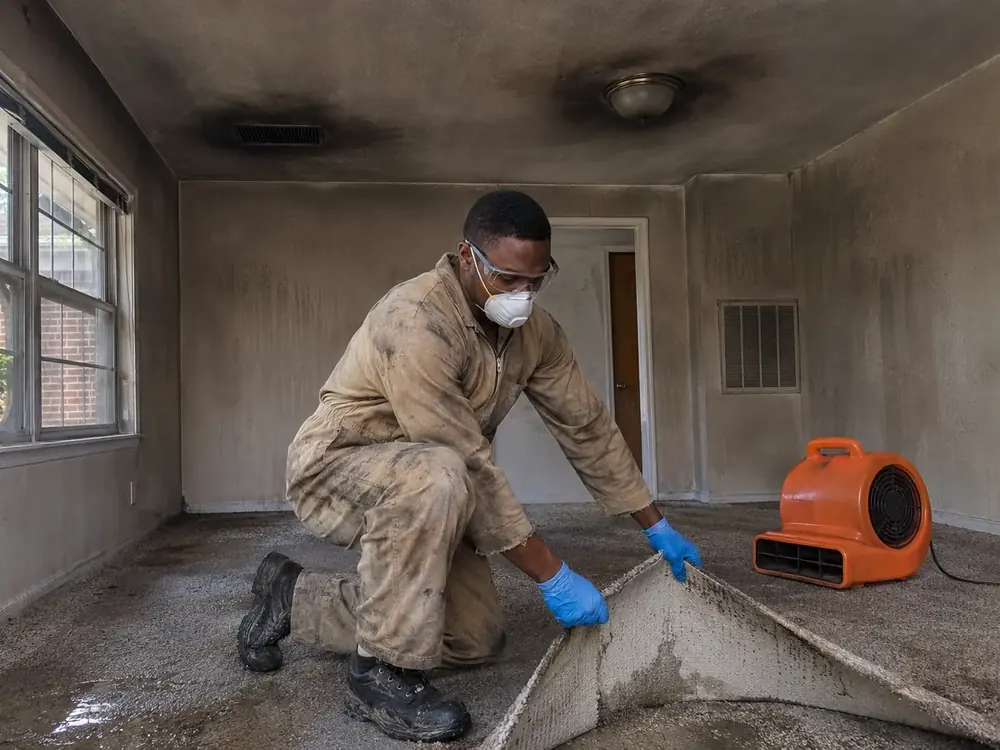
Flooring beneath wet roomsWater under edges and coveringsCheck moisture and dry affected layers

Cooking led national home-fire causes in 2024; a kitchen incident can affect more than the stove area. Fire damage cleanup in Indian Trail considers where heat reached and where smoke settled. Soot removal for an Indian Trail home also depends on whether the surface is painted, porous, or heat-damaged.

The fire department must allow entry before anyone goes back inside. Leave soot untouched rather than dry-wiping or vacuuming it. Keep children, pets, and people with breathing trouble away from affected areas. Do not eat or drink anything exposed to heat or smoke. On the call, describe what you already know without going inside to investigate.

Your Call Starts the Cleanup Conversation

  1. Fire department clearance. Tell the person answering what firefighters have said about access; the fire department decides when entry is safe.
  2. Utilities and records. Leave utility decisions to the fire department and utility personnel; once entry is allowed, dated doorway photos before cleaning and a written damage list may be kept for your own records.
  3. Cleanup scope. Discuss house fire cleanup for your Indian Trail address, including affected surfaces, belongings, and any water left behind.
  4. Repair responsibilities. Ask on the call who handles repairs and the approvals that work needs.

Indian Trail Bulk Pickup Limits and Prohibited Materials

Materials bulk collection does not take

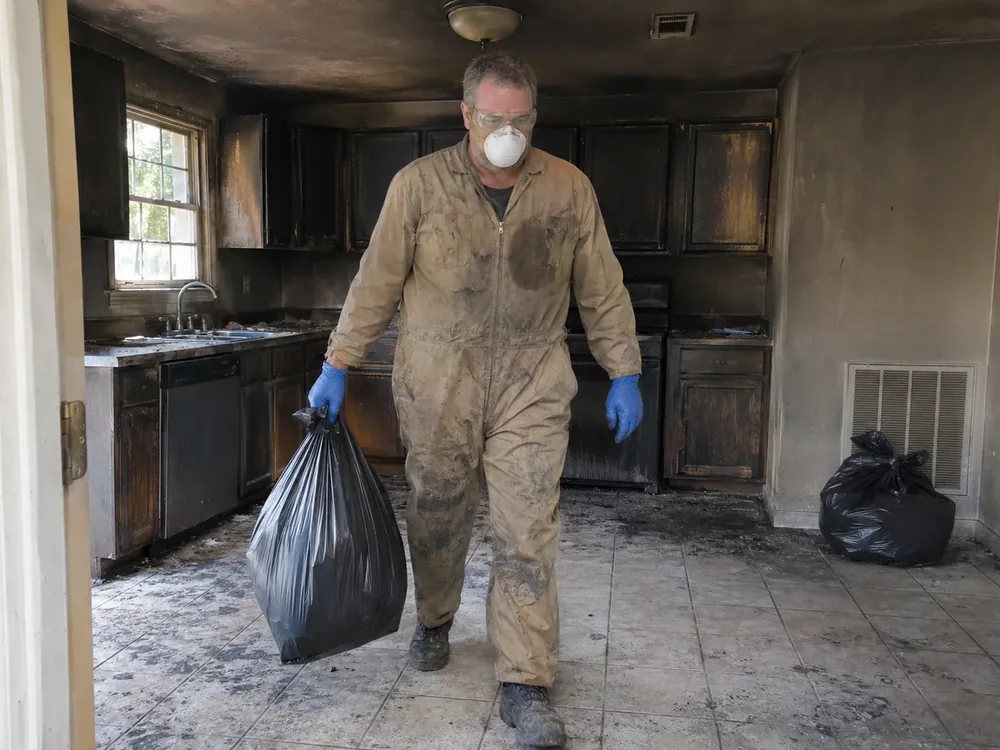
Indian Trail's bulk and e-waste collection does not take paint, tires or rims, batteries, construction material, or hazardous waste or chemicals. Removed wall, floor or cabinet material from the repair therefore needs its own disposal plan. Call now to discuss the cleanup and removal needs. Describe whether the damage appears limited to finishes or includes cabinets, walls, or other building materials. When discussing fire damage repair in Indian Trail, ask how removed materials will be handled.

Keep bulk pickup separate from cleanup planning

Indian Trail's curbside bulk collection runs four times a year, in February, May, August and November, and allows up to five oversized items per household. That limit matters when several damaged furnishings need removal. It does not establish acceptance of every fire-damaged material. Discuss disposal during the cleanup conversation instead of assuming the household collection route will take the whole pile. Your technician needs to distinguish belongings being evaluated from material designated for removal.

Fire damage restoration companies serving Indian Trail should describe which surfaces and belongings are included in the cleanup scope. Ask where drying ends, what remains to be cleaned, and which repairs still need a separate decision.

Indian Trail Addresses and Nearby Places

Give the full street address and unit number during the call, along with a callback number where you can be reached while staying elsewhere. Mention shared entrances, a locked gate, or a driveway that cannot be used. Share access restrictions already given by firefighters without making another trip through the building.

Also serving near Indian Trail:

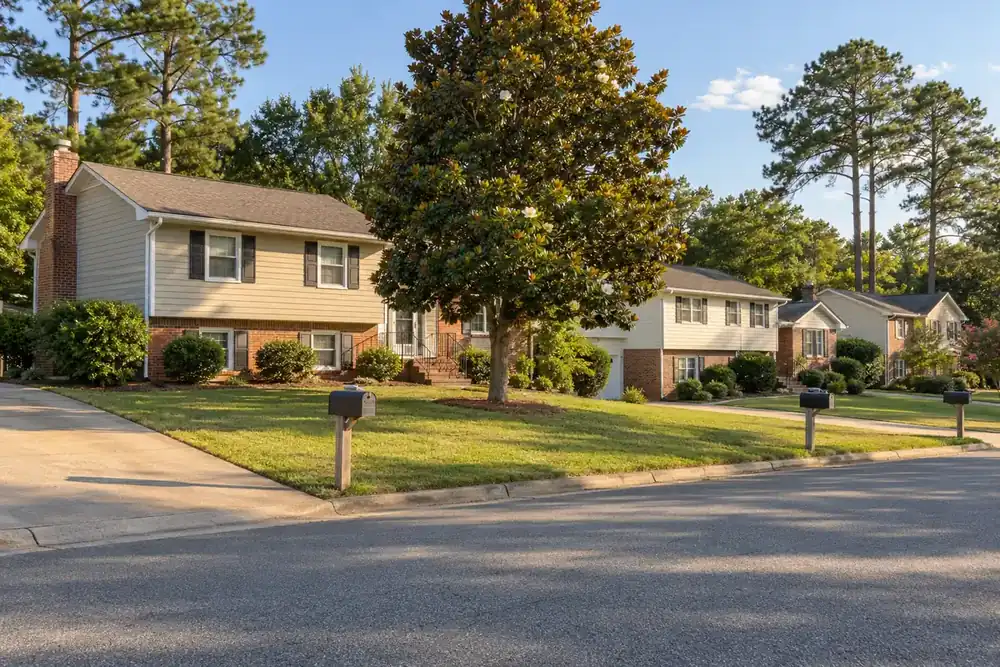
Illustration of a typical street in the Indian Trail area, with split-level houses and a large magnolia

Indian Trail Fire Damage Restoration FAQs

What does fire and water damage restoration in Indian Trail include?

The work addresses fire residue and firefighting water as connected parts of the cleanup. Your technician checks affected materials, identifies wet layers, and explains what needs cleaning, drying, or removal. A wall that looks only smoky may also be wet behind its finish. Describe both visible residue and known water exposure during the call.

How does smoke odor removal work in Indian Trail?

Odor work starts by finding and cleaning the materials holding smoke residue. Walls, fabrics, stored belongings, and concealed surfaces may need different treatment. Covering the smell alone leaves those sources in place. Your technician assesses what is cleanable and explains how the remaining odor will be evaluated after residue removal and drying.

Who gives permission to go back inside after the fire?

The fire department decides when you may go back into a fire-damaged home. A quiet building or a room without visible soot does not replace that decision. Share any restrictions firefighters have given during your call. If entry is allowed, dated photos taken from the doorway before cleaning and a written damage list can stay with your own records.

What determines the scope and price for cleanup?

Residue spread, water penetration, material condition, and access determine the work involved. One of our local fire restoration partners explains the proposed scope and price before work begins. Ask on the call who handles repairs to affected rooms and building materials.

Call now about the soot, smoke, or water at your Indian Trail home and discuss the cleanup stage ahead.

Call (704) 303-9161
Call (704) 303-9161