
Match Cleaning to the Surface
- Professional HEPA vacuuming and dry cleaning sponges can lift suitable loose soot before further surface treatment.
- Greasy deposits need a tested cleaning method suited to both the residue and the material underneath.
- Porous or heat-damaged surfaces may need removal or replacement when cleaning cannot recover the affected material.
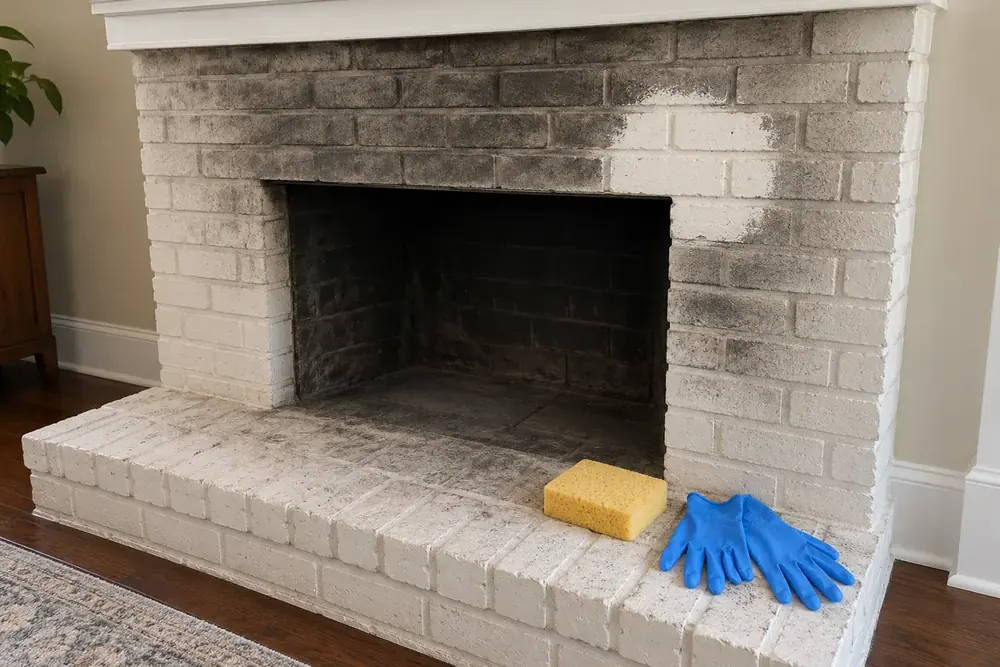
Soot Type Shapes the Cleaning Method
Soot removal uses professional particle collection and surface cleaning selected for the deposit and the material underneath. Soot is combustion residue, rather than ordinary household dust. Its particles can carry oily deposits, cling to finishes and settle into pores, so one cleaning method does not suit every surface.
Entry Permission Comes From Fire Authorities
Fire authorities decide when the building is safe to enter, as the American Red Cross advises after a home fire. An apparently clean hallway does not override that decision. Leave marked rooms alone, and keep everyone outside until entry is allowed.
You can call without touching a surface or checking another room. Describe what was visible when you left or what the fire department has told you.
The Owner Leaves Residue Undisturbed
Leaving soot in place lets your technician assess it without additional smearing. Do not wipe it dry, vacuum it with household equipment or touch affected surfaces with bare hands. Keep pets, children and anyone with breathing trouble away. Do not eat or drink items that were near the heat or smoke; Red Cross household safety advice addresses exposed food and beverages.
The fire department and utility handle decisions about services. Leave switches, appliances and connections untouched. Dated photos from the doorway, once entry is allowed and before cleaning, and a written list of what was damaged can stay with your own records.
What Takes Off Soot Depends on Its Texture
Loose soot often responds to controlled dry removal, while greasy deposits need a different approach. Fast, hot combustion commonly leaves drier powder; slower burning and cooking fires can leave sticky or oily residue. A house may contain more than one kind because different materials burned under different conditions.
Ordinary rubbing can press particles into a finish. A household vacuum can redistribute fine residue through its exhaust or brush. Restoration professionals use HEPA vacuum equipment for controlled collection and dry chemical sponges on suitable surfaces. Those sponges lift deposits without the owner adding a cleaning liquid.
What to Use to Clean Smoke Damage
The appropriate cleaning system depends on a small professional test of the residue and finish. After suitable dry cleaning, your technician may use controlled wet cleaning where the material tolerates it. Greasy soot behaves differently from loose powder, and moisture can change a stain or damage an unsuitable finish.
What dissolves soot depends on the oily residue and surface involved; there is no universal household mixture. Do not try chemical combinations or scrub a test patch yourself. The goal is to remove the deposit while preserving sound material, rather than producing a temporarily lighter smear.
| Surface | What soot does there | What usually works |
|---|---|---|
| Painted wall | Clings to paint and can smear into it | Tested dry removal followed by suitable professional cleaning |
| Unsealed brick | Settles into pores and mortar joints | Controlled collection and masonry-specific assessment |
| Textured ceiling | Lodges in recesses on a fragile finish | Careful professional testing; replacement where necessary |
| Grout | Retains particles below the visible face | Material-specific cleaning with a test area |
| Finished cabinet | Leaves oily film over a heat-sensitive coating | Finish testing and appropriate residue removal |
Porous Materials Need a Deeper Assessment
Porous materials make soot removal harder because deposits reach beyond the exposed face. Soot removal from walls involves checking whether the paint and underlying wallboard remain sound. Unsealed brick and grout have recesses that hold particles, while aggressive scrubbing can alter their appearance. Soot removal from brick therefore requires attention to both the masonry and its joints.
A cleaned surface can still need sealing or replacement if staining persists or heat has damaged the substrate. Your technician should distinguish residue that can be removed from material that has physically changed.
Debris Decisions Precede Repairs
Debris needs a disposal decision based on what the waste contains and which facility will accept it. Your technician and the receiving facility determine the appropriate destination; soot-covered material should not automatically be treated as ordinary curbside waste. Leave damaged material in place for professional handling.
What is soot removal accomplishing before repair work? It clears recoverable surfaces and helps establish which damaged layers need replacement. Ask during the call who handles those repairs. One of our local fire restoration partners will describe the proposed cleaning scope and price before starting. For the broader cleanup stage, see fire damage cleanup.