
How it works
How Fire Restoration Starts in Concord
Call about soot on walls, smoke in fabrics or water left by hoses in Concord; one of our local fire restoration professionals takes the next steps with you.
Four Stages From Clearance Through Repairs
- Fire department clearance. Call to get connected about cleanup while the fire department decides when the building is safe to enter; stay outside until permission is given.
- Utilities and essentials. Leave utility decisions to the fire department and utility personnel, and arrange somewhere else to stay as needed.
- Restoration cleanup. After entry is allowed, your technician walks the building, explains the scope and price before work, and carries out the agreed cleanup.
- Repairs and review. Ask on the call who handles repairs; a final walk-through lets you discuss completed work and anything still needing attention.
What You Can Leave Until the Visit
| Stage | What happens |
|---|---|
| Fire department | Entry restrictions determine which spaces remain off limits. |
| Utilities and owner | Utility personnel address service safety; you attend to a place to stay. |
| Restoration | Your technician examines residue, water and affected materials before cleaning. |
| Repairs | Rebuilding needs follow the condition left after cleanup and drying. |
Describe what you already know
You can call with a simple description of what the fire left behind. Mention soot near a ceiling, smoke in upholstery or water used during firefighting if you already know about them. Rough room counts are helpful, but a complete inventory is unnecessary. There is no need to inspect the house to make the call.
Get connected for the next stage
The call connects you with a local fire restoration professional in our network to discuss the damage and the work ahead. Share any restrictions the fire department has given you. The fire department decides when anyone may go back inside; a cleanup conversation can begin while access remains restricted.
While waiting, focus on somewhere to stay and keeping children, pets and anyone with breathing trouble away from affected rooms. Avoid touching soot, wiping it dry or vacuuming it. Do not eat or drink anything left near heat or smoke. Leave gas, electrical and water decisions to the fire department and utility personnel. Utility safety requires professional assessment after a fire.
Review the proposed cleanup
Your technician examines the building after the fire department permits access and explains the proposed scope and price before work begins. Surface materials, the spread of residue and moisture beneath finishes help determine the work. Ask which belongings need separate attention and which damaged materials need removal.
Dated photos taken from the doorway before cleaning, once entry is allowed, and a written list of what was damaged are handy to keep for your own records. Neither is required to start the conversation.
Discuss the finish and remaining repairs
The final walk-through is a chance to discuss cleaned surfaces, remaining odors and work still outstanding. Cleanup, drying and rebuilding have different finish points. Ask on the call who handles repairs, then discuss any remaining repair needs during the review.
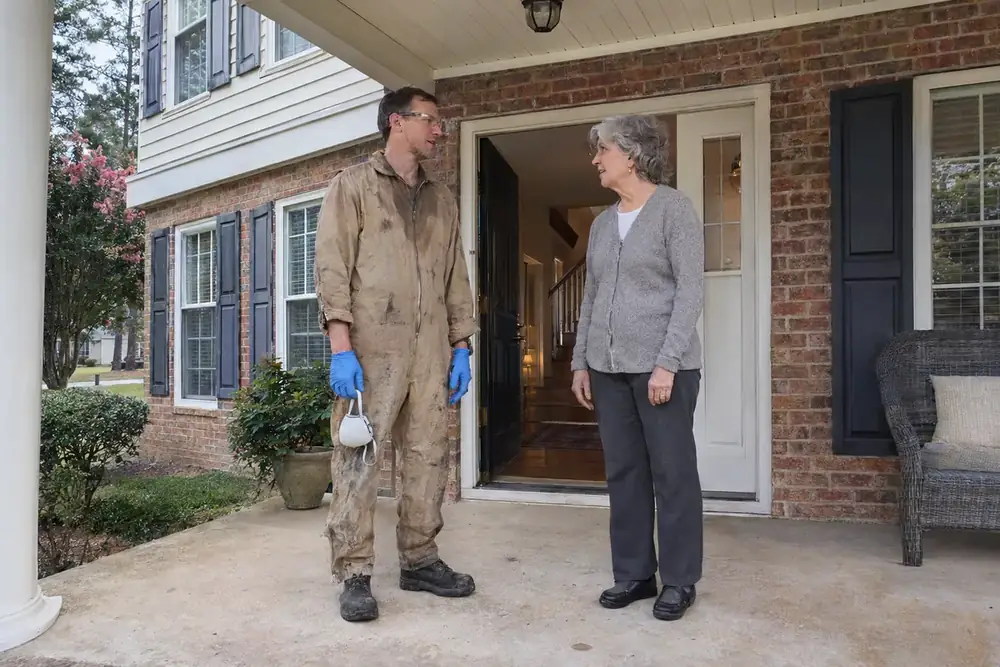
Call to describe the rooms affected by fire, smoke or water and talk through the next stage of restoration.
Call (704) 303-9161