Calls answered 24/7(704) 303-9161
(704) 303-9161

Concord, North Carolina

Commercial Fire Damage Restoration in Concord, NC

Call (704) 303-9161

Our local fire restoration professionals clean soot, treat smoke residue and remove firefighting water in Concord commercial buildings. Owners, managers and landlords can call about a smoke-filled stockroom, soot across a dining room or wet floors and discuss the work each space needs.

  • Calls answered 24/7
  • Shops, offices, restaurants
  • Serving Concord and nearby
Technician in tan coveralls, mask and blue gloves wiping soot from a tiled wall in a restaurant kitchen

Commercial Buildings Served for Fire Cleanup in Concord

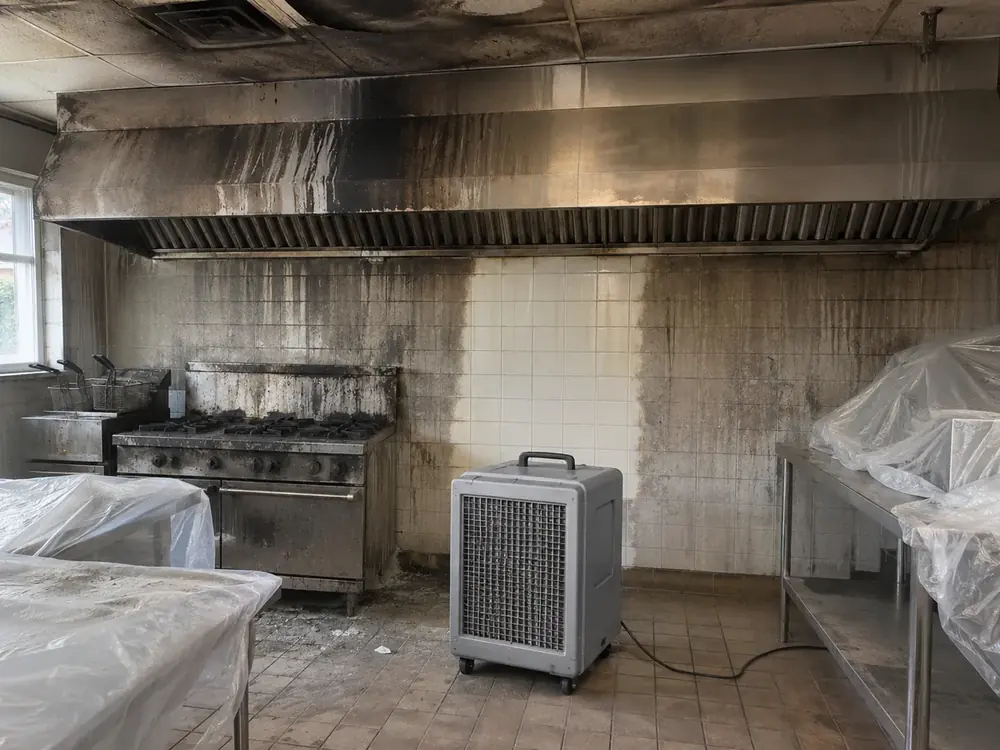
  • Restaurants and bars: Restaurant fire damage cleanup addresses greasy soot on room surfaces and furnishings; kitchen hood work requires a separate conversation about who handles repairs.
  • Shops and strip centers: Cleanup addresses smoke residue on sales floors, display surfaces and stockroom finishes, with merchandise handling discussed separately.
  • Offices: Commercial soot removal addresses marked walls, ceilings and furnishings while desks and equipment receive attention in the room's work plan.
  • Warehouses and storage: Warehouse fire damage cleanup considers the affected floor area, storage arrangement and the goods that need moving.
  • Apartment buildings: Landlords can discuss several affected units and shared spaces through one call about cleanup across the building.
  • Schools and churches: Cleaning addresses soot on room finishes and smoke odor in seating, curtains and other affected furnishings.
  • Medical and dental offices: The cleanup discussion identifies affected room surfaces and furnishings without including treatment or repair of clinical equipment.
  • Hotels and motels: Smoke cleaning can involve guest rooms, corridors and soft furnishings, with each affected space included in the proposed scope.
  • Managed rental property: Fire damage restoration for property managers starts with the affected units, shared areas and the owner's cleanup priorities.

Who Acts Next After a Commercial Building Fire

Commercial rooms hold stock, equipment and business records as well as finishes. Firefighters, utilities, cleanup and repair trades act in sequence; the owner discusses the scope and price on the call.

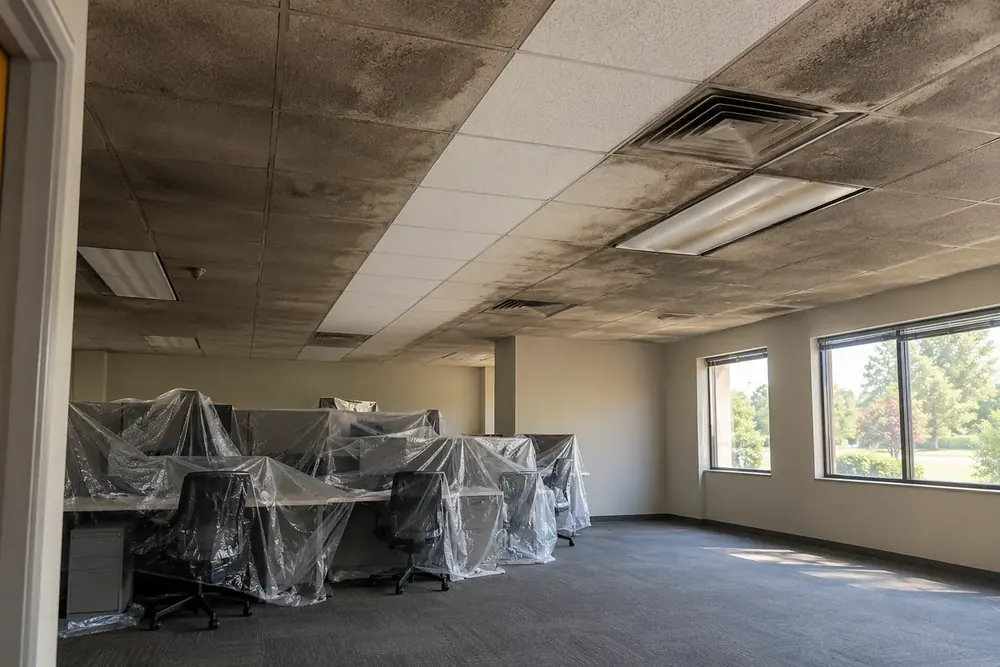
Office with a smoke-darkened ceiling and desks covered in clear plastic sheeting beside bright windows
  1. Fire department

    The fire department controls access and decides when anyone may return to the damaged building. Give firefighters a contact who knows the property and can answer about staff, tenants and affected spaces. Keep people at the location firefighters designate; their release determines where the next stage can begin.

  2. Utilities and the building

    Utility decisions stay with the fire department and the relevant utilities; do not operate switches, reconnect services or test equipment. Leave utility reconnection to the utility rather than reconnecting services yourself. The manager can notify staff and tenants, keep a written damage list, and retain dated photos taken before cleaning from the doorway after entry is allowed.

  3. Restoration cleanup

    Your technician walks the spaces released for access and describes the cleanup area by area, including the price before work begins. Stock, equipment and business records may need moving or covering while soot, smoke residue and water are addressed. The owner identifies priorities; material condition and access determine which rooms are ready for the repair stage.

  4. Repairs and trades

    Repair trades rebuild damaged room finishes after cleanup and drying. Ask on the call who handles repairs, and ask Concord's permit staff which approvals the proposed interior work needs. The manager chooses the repair priorities and discusses the order of rooms with whoever performs that work; cleanup alone does not settle the rebuilding scope.

What Fire Leaves on Commercial Surfaces and Contents

What you seeWhat it usually points toWhat to do
Greasy soot beyond the kitchenResidue has reached dining surfaces and finishes.Mention both areas while calling from a safe location.
Smoke film in a stockroomStored goods and shelving may need separate attention.Describe the stock without going inside to inspect it.
Water on floors or ceilingsFirefighting water has added drying work to cleanup.Share what is already known; leave wet material alone.
Soot around shared ventsResidue may extend beyond the room where fire started.Tell your technician which units or shared areas were affected.
  • Kitchen residue: Greasy deposits need a surface-specific approach; tell your technician about both kitchen and dining finishes.
  • Fabrics and furniture: Commercial smoke damage restoration includes discussion of odor retained in seating, curtains and other soft materials.
  • Shared air paths: Mention soot seen around ducts; do not run the heating or cooling system to test for smells.
  • Electronics and business records: Describe smoke exposure during the call rather than powering equipment or sorting through affected items.
  • Mixed damage: Fire damage restoration for businesses considers wet rooms alongside residue, so several cleaning and drying tasks may be involved.

Securing, Phased Cleaning and Building-Wide Cleanup

The building's access restrictions, damage pattern and contents determine whether work starts with securing openings, separate cleaning areas or cleanup throughout the building.

OptionWhen it fitsWhat it involves
Secure the building and waitOpenings need protection while access restrictions or the cleanup scope are addressed.Damaged openings are boarded and roof openings covered; cleaning has not begun.
Clean in phasesSeparate areas can be addressed and the fire department allows use of the relevant spaces.Cleaning proceeds by area, with any partial opening discussed on the call rather than assumed.
Close the building and restore room by roomDamage affects multiple spaces that cannot reasonably be separated for use.Contents handling, drying and residue removal proceed through the affected rooms while the building stays closed.

Your technician examines the building and explains which option fits its condition and access restrictions.

Dated Photos and a Written Damage List

Dated photos taken before cleaning and a written list of what was damaged are useful to keep for the owner's own records.

  • Dated photos: Keep photos taken before cleaning; do not return to the building simply to take more.
  • Doorway views: After the fire department allows entry, any photos taken from the doorway can remain with the owner's own records.
  • Damaged rooms: Include affected rooms and their damaged finishes in the written damage list.
  • Damaged belongings: The same written list can name stock, furnishings and equipment known to have been damaged.

What Affects Commercial Fire Restoration Costs in Concord

What changesWhy it moves the scope
Building size and affected roomsMore spaces require more surface cleaning, drying checks and contents handling.
Greasy or dry sootResidue type and surface material determine the cleaning approach.
Water from firefightingWet floors, ceilings and contents add extraction and drying tasks.
Stock and equipmentItems needing movement or cleaning add work beyond the room finishes.
Access and work hoursRestricted rooms and permitted working periods shape how cleanup proceeds.

Before work begins, one of our local fire restoration partners sets out the building's scope and price with the owner or manager, including the relevant restoration cost factors.

Why Building Owners Call Concord Fire Damage Restoration

  • Calls answered 24/7: Owners and managers can call about the building whenever they need to describe what happened and discuss cleanup.
  • A local starting point: Calling a commercial fire restoration company starts with the rooms, materials and contents affected, rather than a decision about replacement finishes.
  • Work described before starting: Your technician explains the proposed tasks and price so the owner can discuss each part of the cleanup.
  • Simple personal records: Dated photos taken before cleaning and a written damage list can stay in the owner's own files.
  • Concord and Kannapolis service: Managers can discuss affected commercial or rental buildings in either city and the surrounding service area through Concord Fire Damage Restoration.

Safe Boundaries for Managers, Staff and Tenants

The fire department decides when staff, tenants and managers may return; an owner does not need to inspect the damage before calling. Keep people outside marked or taped-off spaces, even when an adjacent room has been released.

Leave utility decisions to the fire department and utilities, and do not reconnect utilities yourself. Do not carry burned or wet material out, handle soot with bare hands or send staff to vacuum residue. Keep a written list of what was damaged for the owner's own records. Share the fire department's instructions on the call, including any spaces that remain restricted; the cleanup discussion can begin while everyone stays outside.

The Same Number Handles House Fire Cleanup

Owners, managers and staff around Concord can also call this number about smoke, soot and firefighting water at home.

Commercial Fire Cleanup in Concord and Nearby Places

Owners, landlords and property managers in Concord, Kannapolis and the surrounding service area can discuss commercial fire cleanup, from individual rooms to multiple affected units.

Commercial Fire Damage Restoration FAQs

Can I use the same number for my business and my house?

Yes, Concord Fire Damage Restoration handles calls about commercial buildings and homes. Tell the person answering whether you are calling as an owner, manager or landlord, and describe the affected property. A restaurant dining room, rental unit and household living room have different contents, so that detail helps focus the cleanup conversation.

Which properties can I call about for commercial fire damage restoration near me?

You can call about restaurants, shops, offices, warehouses and apartment buildings, along with other commercial and managed properties. Describe the building type, the affected rooms and any shared areas involved. You do not have to decide whether furnishings, stock or wall finishes can be cleaned before discussing what the building needs.

What comes first when the fire is out at my building?

The fire department decides when anyone may return, as reflected in Red Cross guidance on access after a fire. Keep staff and tenants at the location firefighters direct and provide a property contact. You can call about cleanup from there, sharing access instructions without entering to collect more details.

Could an unaffected section stay open during phased cleaning?

Partial use depends on the building's condition, access restrictions and the fire department's decision; discuss the possibility on the call. Separate cleaning areas do not automatically make the rest of the building suitable for use. Your technician assesses how the proposed work would affect neighboring rooms and explains whether phased cleanup fits.

Which records should a property manager keep after the fire?

Keep dated photos taken before cleaning and a written list of what was damaged for the owner's own records. Photos from the doorway are appropriate only after the fire department allows entry. The list can name damaged rooms, finishes, stock and furnishings already known to you; taking more photos is not a condition of calling.

What changes the cost of cleaning a fire-damaged commercial building?

The affected floor area, soot type, wet materials and contents handling change the cleanup scope. A dining room with greasy residue needs different work from dry soot in an office. Water extraction, drying, access restrictions and the need to move stock also matter; your technician explains the proposed work and price before starting.

Call now about the Concord restaurant, shop or rental building affected by fire, and discuss the cleanup with your building's priorities in mind.

Call (704) 303-9161
Call (704) 303-9161