
From Assessment to Cleanup
- A restoration professional assesses the damage after fire department clearance and identifies openings that need securing before cleanup proceeds.
- Cleanup includes removing debris, addressing firefighting water, cleaning soot and treating smoke odor on affected surfaces and belongings.
- The final cleanup assessment identifies remaining damage, and the owner asks who handles repairs before deciding on rebuilding work.
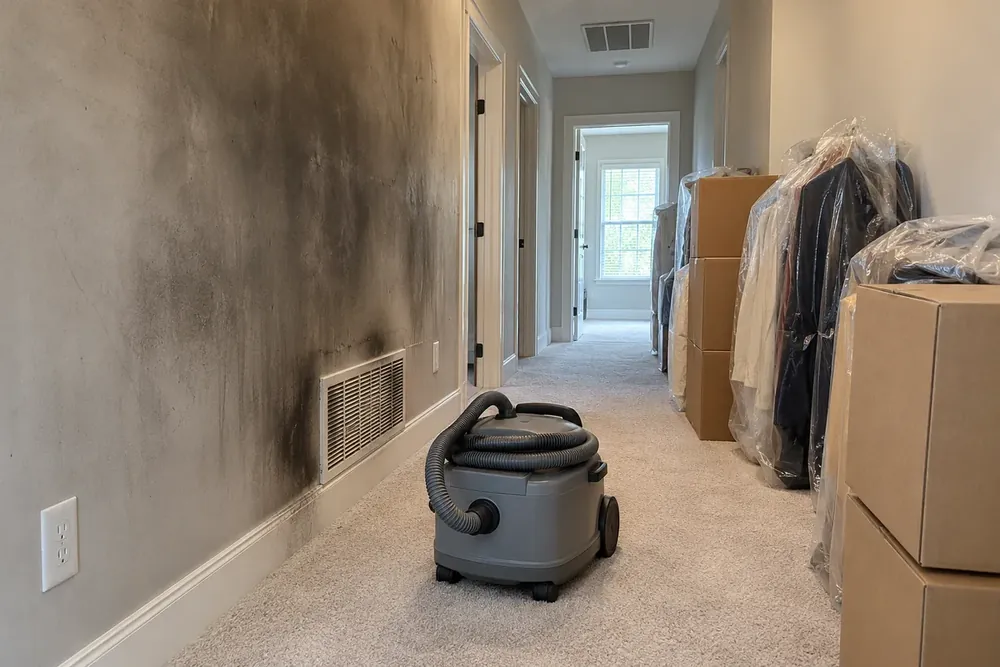
The Work Between Fire Clearance and Finished Repairs
A fire restoration job assesses what the fire affected and carries out the cleaning, removal and drying needed before repairs. The fire damage restoration process starts with access decisions made by firefighters, followed by utility safety, restoration cleanup and rebuilding decisions. Call to discuss the damage you know about without waiting to gather more details.
Firefighters decide when access is safe
The fire department gives the decision about safe access; do not return inside until firefighters allow it. Cleanup does not override that decision. Stay out of rooms they have marked off, and respect tape and posted restrictions around damaged areas.
Tell the person answering the call about any restrictions you have been given. You are not expected to investigate a closed room or retrieve belongings so the conversation can move forward.
Utilities and owner safety come next
Utility decisions belong with the fire department and the utility, while your immediate tasks concern a safe place to stay and your household. Do not switch gas, electricity or water, and do not reconnect utilities yourself.
Keep children, animals and people with breathing difficulties away from the affected space. Avoid touching soot without protection, and leave dry-wiping and vacuuming soot out of your own cleanup. Food and drinks that sat near heat or smoke should not be consumed, consistent with post-fire food safety advice.
Once entry is allowed, dated photos from the doorway taken before cleaning and a written list of damaged items may be kept for your own records. Waiting outside remains the right action while permission is withheld.
Cleanup starts by defining the affected area
Your technician checks openings, surfaces, contents and wet materials to establish the cleanup scope. Broken windows or doors may need securing. The assessment considers the room where the fire occurred and other spaces reached by smoke or water.
Removal clears debris and materials that cannot stay. Where hoses left water, extraction and drying address wet areas, with moisture checks helping determine when materials are ready for the next stage. These fire damage restoration steps depend on what the assessment finds rather than a fixed checklist for every house.
The smoke damage restoration process includes assessing residue, testing cleaning methods and treating odor sources. Soot on a hard surface differs from deposits on upholstery or unfinished wood. Cleaning or packing out belongings may be needed to reach affected surfaces and keep contents away from ongoing work. Ask which belongings will be cleaned in place and which need moving.
Repairs follow the cleanup assessment
Repairs replace damaged building parts once the necessary cleaning and drying are complete. Ask on the call who handles repairs, including any electrical or plumbing work. Your technician explains what cleanup has achieved and which damage remains for repair decisions.
| Stage | Who acts | What the owner does |
|---|---|---|
| Safe access | Fire department | Wait for permission and respect restricted areas |
| Utilities and immediate needs | Fire department, utilities and owner | Leave utility controls alone and arrange a safe place to stay |
| Assessment and cleanup | Restoration technician | Describe known damage and discuss belongings |
| Repairs and final review | The trades handling repairs and owner | Ask who handles repairs and review completed work |
Final review checks the agreed work
The final walk-through compares completed tasks with the agreed scope and identifies anything still needing attention. Ask about surfaces, belongings and remaining odor rather than judging the result by fresh finishes alone. The proposal should list the tasks and explain where cleaning ends and repair begins.
One of our local fire restoration partners explains the proposed work and its price before starting. Describe what burned, where smoke traveled and whether water was used; the conversation establishes the next decisions without requiring you to inspect anything yourself.