Calls answered 24/7(704) 303-9161
(704) 303-9161

Charlotte, North Carolina

Fire Damage Restoration in Charlotte, NC

Call (704) 303-9161

Our local fire restoration professionals remove smoke residue, assess soot-covered belongings and address firefighting water across Charlotte. Call to describe your building and the damage you know about, including the fire department's access instructions.

  • Calls answered 24/7
  • Fire Damage Restoration
  • Serving Charlotte and nearby
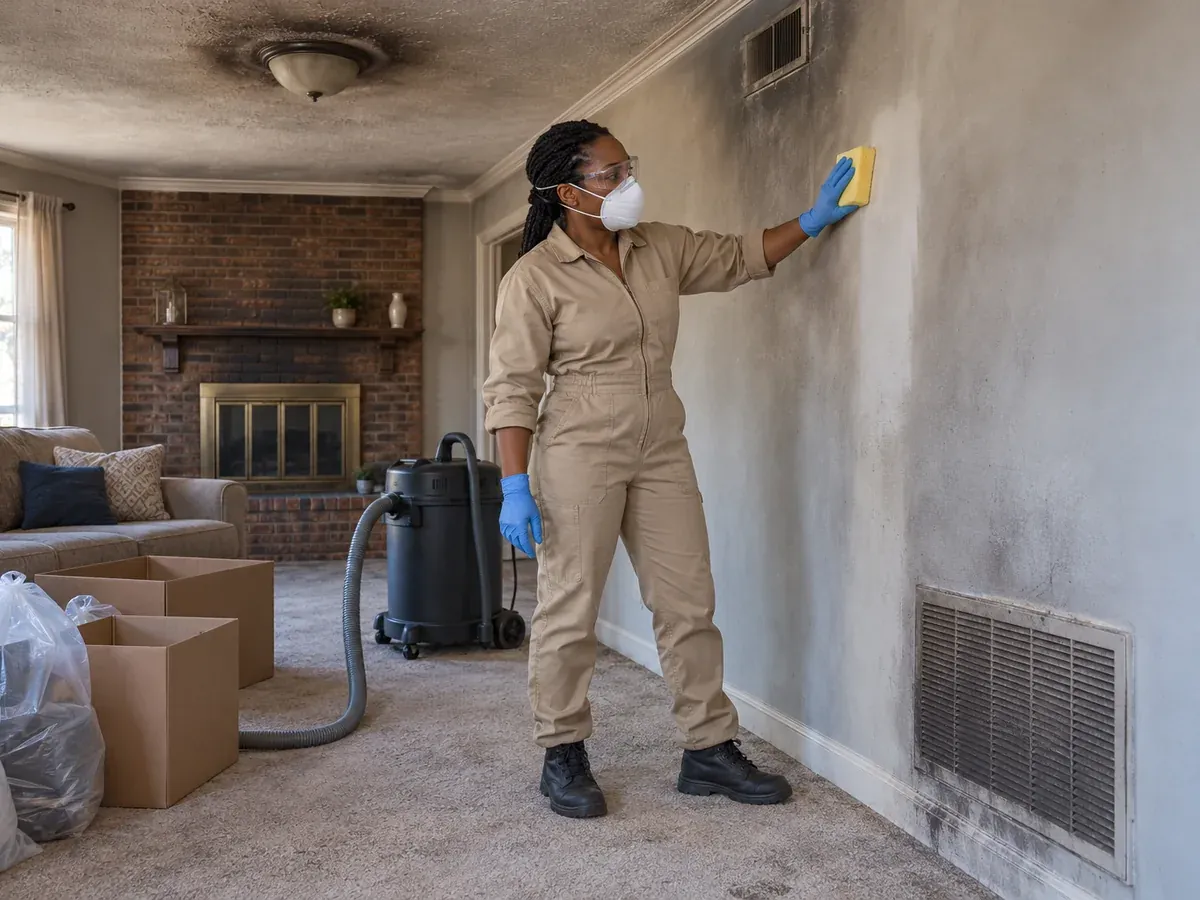
Gloved technician wiping a smoke-grayed wall in a living room with a brick fireplace, couch and packed boxes

Charlotte Fire Damage Restoration and Cleanup Services

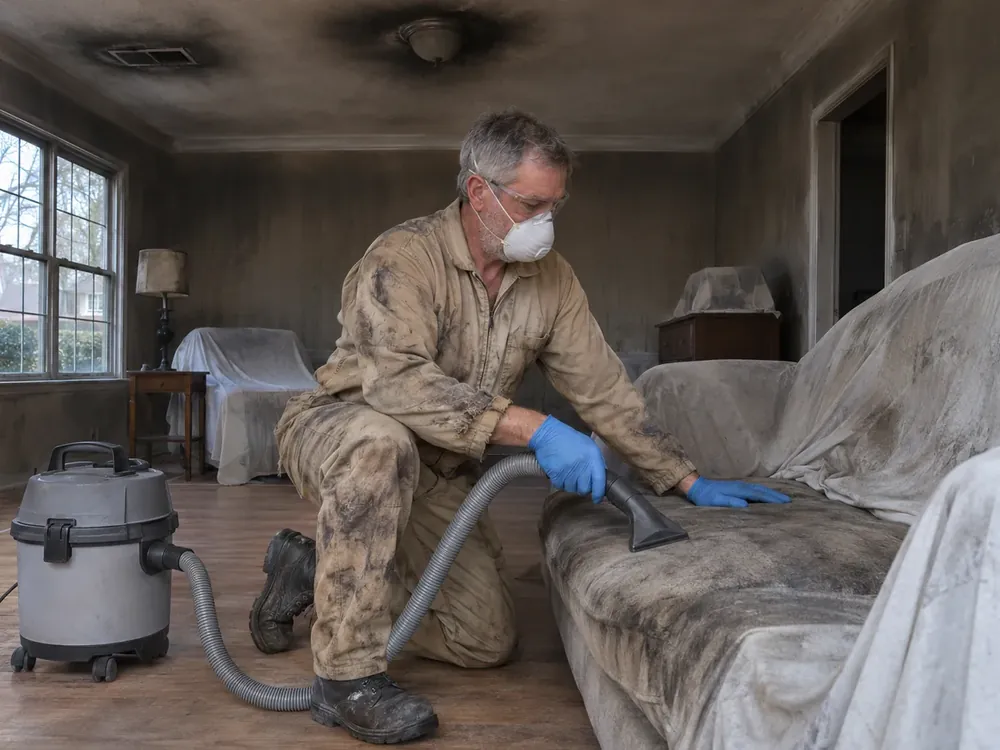
Smoke damage restoration in Charlotte starts by tracing the affected surfaces and contents. Your technician checks how far residue traveled, where water collected and which materials need removal before the remaining rooms are cleaned.

What Needs Attention Beyond the Burned Area

What was touchedWhat it usually leavesWhat usually has to happen
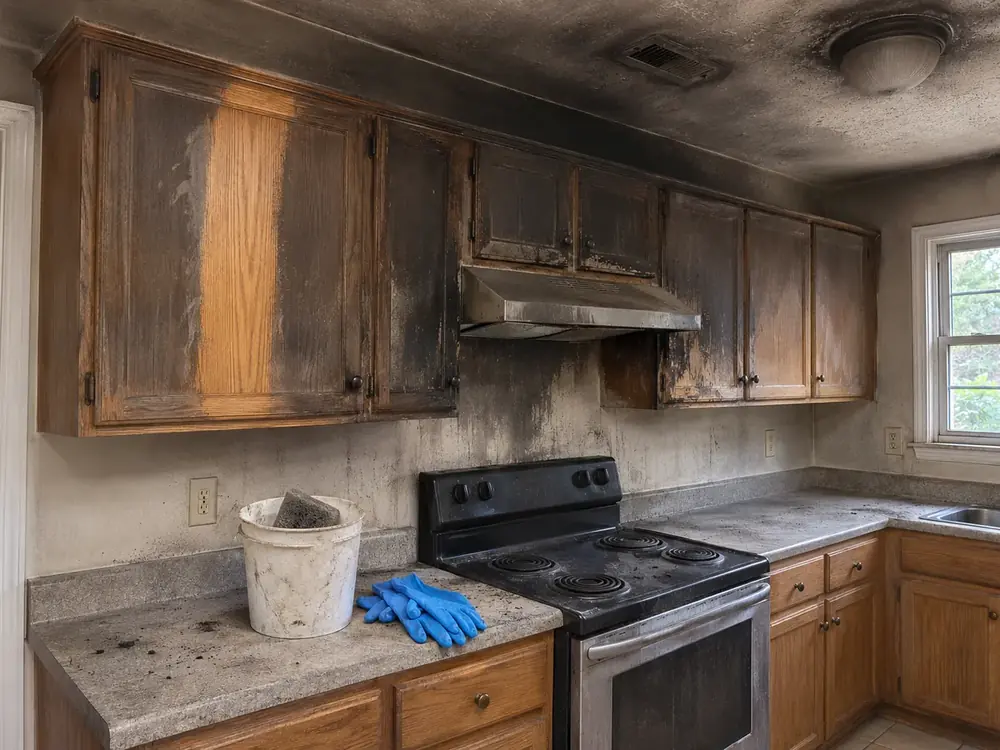
Kitchen wall and range hoodGreasy residue and heat-marked finishesTest the deposits and assess damaged sections
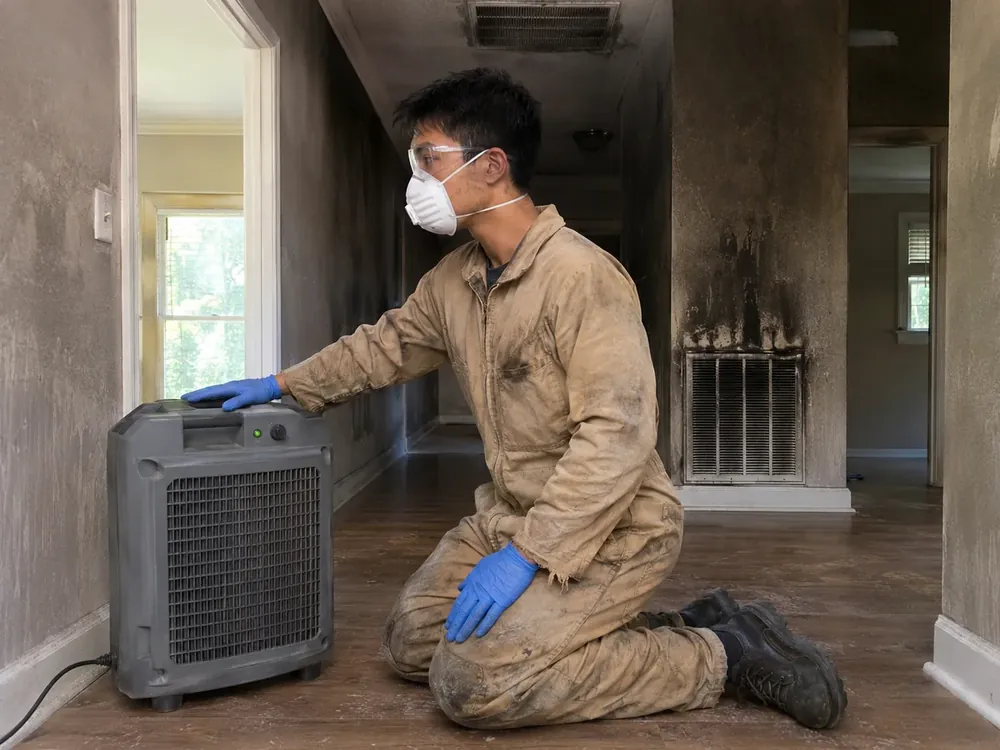
Hallway walls and closet contentsSmoke film and odor beyond the sourceClean affected surfaces and assess stored belongings
Ceiling cavity reached by waterWet concealed materialsCheck moisture and determine drying access

A pan fire, a heating problem or an electrical fault can leave a different mix of heat damage, soot and water. Soot removal in Charlotte depends on that mix: a sticky kitchen deposit and loose residue on a painted hallway do not necessarily need the same treatment.

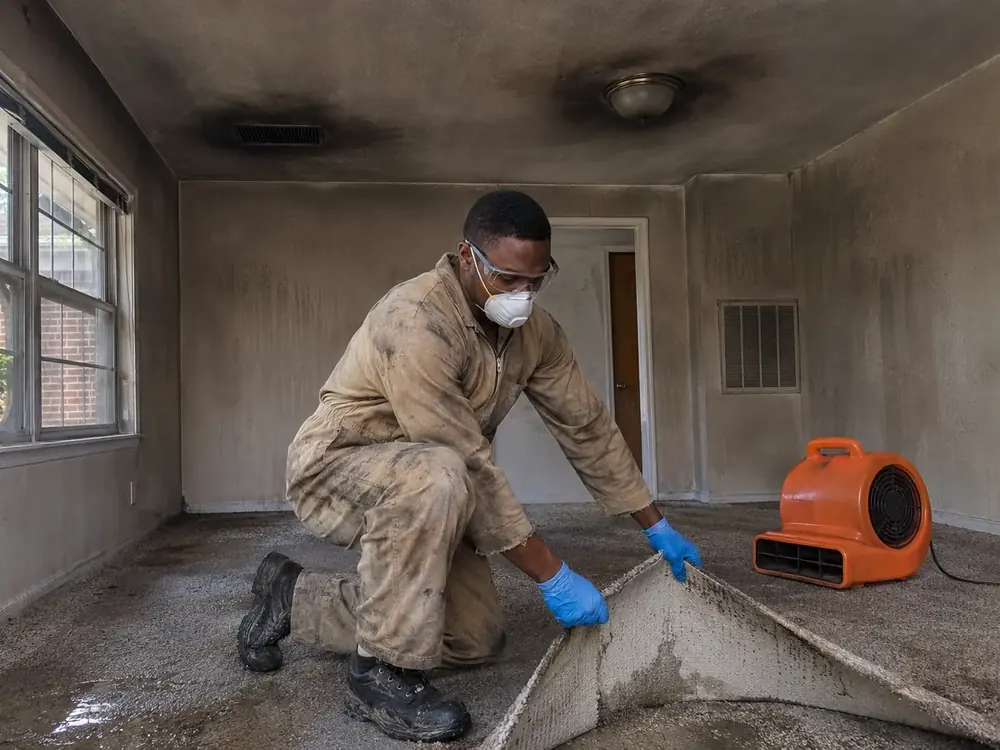
Fire and water damage restoration in Charlotte also addresses damp material concealed behind the visible finish. During house fire cleanup in Charlotte, your technician evaluates what can remain and what must be removed to reach affected layers.

Returning to a damaged home requires the fire department's approval. Keep people away from restricted areas and leave soot-covered surfaces undisturbed. Describe what is already known during the call; additional inspection belongs with the people assessing the building.

From Fire Clearance Through Cleanup and Rebuilding

  1. Explain access restrictions. Tell the person answering what firefighters have said; the fire department decides when anyone may return inside.
  2. Leave utilities alone. Follow fire officials' and utility personnel's directions. Keep dated photos taken before cleaning and a written list of damaged belongings for your own records.
  3. Discuss affected materials. Fire damage cleanup in Charlotte begins with assessing residue, water and contents; construction debris is excluded from city garbage carts.
  4. Ask about reconstruction. Clarify who handles repairs during your call so replacement work follows the necessary cleaning, removal and drying decisions.

Charlotte Disposal Limits and County Repair Requirements

Garbage carts exclude construction debris

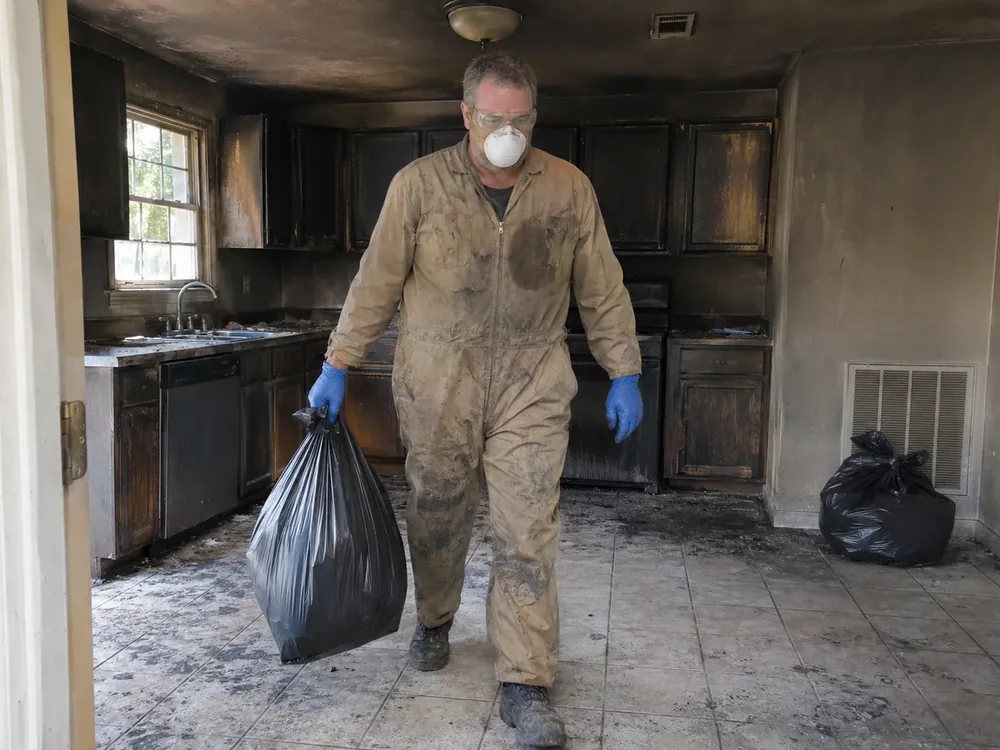
Charlotte bars construction debris from household garbage carts and requires bulky waste collection to be scheduled through 311, the CLT+ app or its online request system. Discuss removal while describing the damaged rooms. Torn-out wall material and discarded household furniture need separate decisions; neither belongs in an unplanned pile at the curb. For uncertainty about a bulky item's acceptability, the city directs residents to CharMeck 311.

Your technician can assess which materials cleaning will preserve and which removal opens up for drying. Ask during the call how disposal fits into the proposed scope, without handling soot-covered items yourself.

Structural repairs need county review

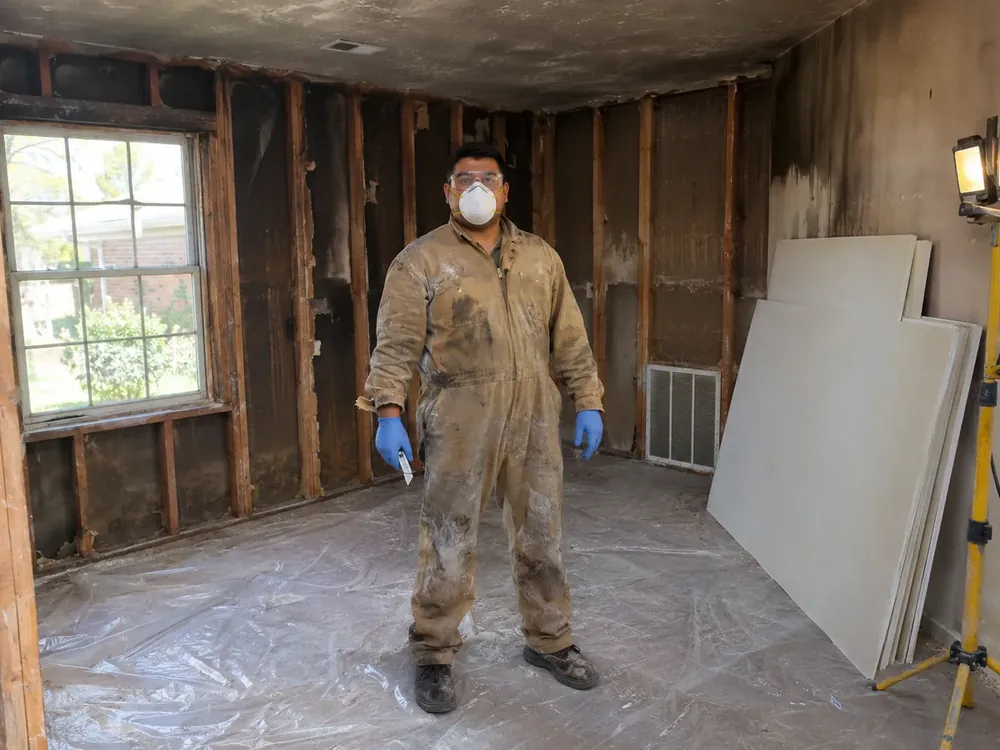
Mecklenburg County says that, for residential work in one- and two-family homes and townhomes, permits may not be required for projects below the cost limit the county posts on its permitting page, unless the work involves load-bearing structures, plumbing, heating or air conditioning, electrical systems, added roofing (a like-for-like fire-resistant replacement is excepted) or materials the code does not permit; separate permits are required for building, electrical, heating, air conditioning and plumbing work. For fire damage repair in Charlotte, describe any known damage to structural parts while asking who handles rebuilding. The cleanup assessment establishes what needs cleaning or drying before replacement materials go in.

The county's permitting page provides online application routes for homeowners and trade contractors. The proposed repair work determines the appropriate route; a call about soot or smoke does not require you to settle the rebuilding details first.

Charlotte Addresses and Nearby Places

Start with the street number and full address, then explain which part of the building was affected. For an apartment or shared property, give the floor, unit and access contact. Mention a locked entry or parking limitation during the conversation so your technician understands how the building is reached.

Also serving near Charlotte:

Illustration of a typical street in the Charlotte area, with brick cottages, dogwoods and arching oaks

Charlotte Fire Damage Restoration FAQs

What does smoke and soot cleanup include beyond the burned room?

Cleanup includes examining the surfaces and belongings smoke reached, testing residue removal and checking for water beneath affected finishes. Unsalvageable material needs a disposal plan. Charlotte excludes construction debris from household garbage carts, so discuss wall or flooring removal separately from ordinary household trash during the call.

What makes smoke odor removal in Charlotte effective?

Removing the source of the odor gives treatment a useful starting point. Your technician checks residue in fabrics, finishes and concealed materials, then evaluates what cleaning or replacement is needed. Covering the smell alone leaves those sources in place, so describe where odor was noticed without making another trip inside.

How is the decision to save a damaged surface made?

Heat damage, material condition and a cleaning test help determine whether a surface can stay. A washable deposit on an intact finish differs from deep charring or a distorted cabinet panel. Tell your technician which belongings matter to you so their assessment includes those items alongside the rooms themselves.

Can a cleaned room be occupied again straight away?

The fire department decides when returning inside is safe; a clean-looking room does not settle that decision. Tell the person answering your call about any remaining access limits. Leave utility safety to fire officials and utility personnel, and keep children and pets away from affected rooms.

Call now about fire damage in your Charlotte building to discuss the cleaning and drying it needs.

Call (704) 303-9161
Call (704) 303-9161