
Remove the Odor Sources
- Smoke odor removal starts with locating residue in surfaces, fabrics, contents and concealed materials, rather than treating the room's air alone.
- Your technician determines which materials respond to cleaning and which damaged layers need removal or replacement.
- Professional surface cleaning, appropriate sealing after cleaning and controlled air treatment address different parts of the odor problem.
Smoke Residue Determines the Cleanup
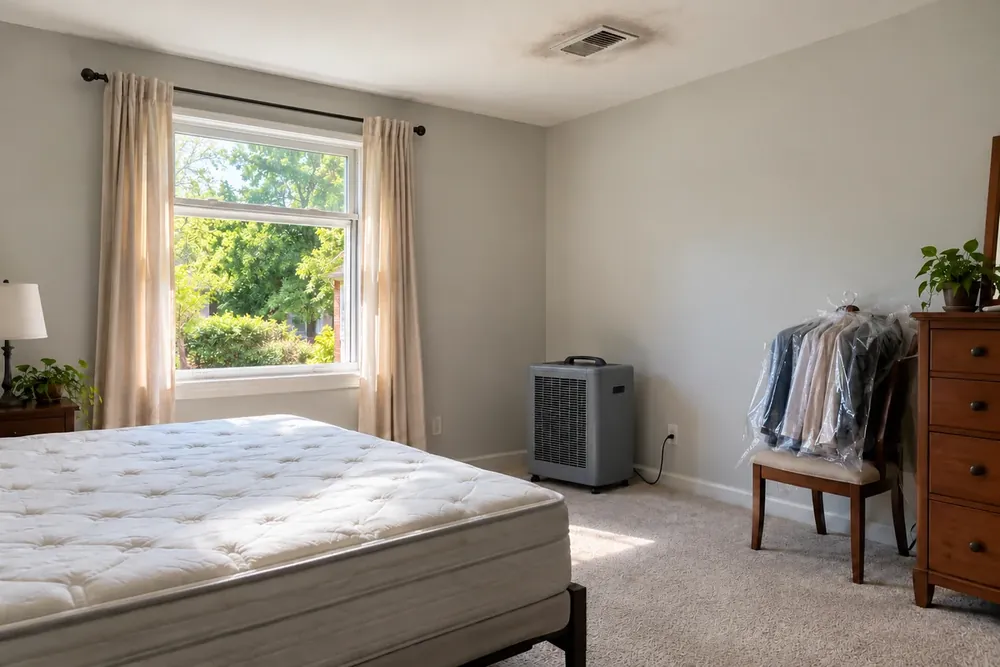
Smoke smell leaves a house when the materials releasing it are cleaned, treated or removed. A room can look tidy while residue remains in carpet padding, wall cavities or stored belongings. The cleanup needs to account for those sources before new finishes close them in.
The Fire Department Decides About Entry
The fire department decides when anyone may return inside; American Red Cross recovery advice says to remain outside until fire authorities allow entry. Odor strength does not establish whether a building is safe. Stay out of rooms the fire department has restricted.
Call while access is restricted and describe what you already know about the fire. There is no need to walk through the house to gather details for the conversation.
Your Part Starts With Safe Observations
The owner can describe affected rooms and keep personal records without disturbing residue. After entry is allowed, keep photos dated and taken from the doorway before any cleaning, together with a written list of what was damaged, for your own records. Arrange somewhere else to stay when the building remains restricted.
Leave utility decisions to the fire department and the utility. Do not operate switches, reconnect services or run the heating and cooling system to test the smell. Keep children, pets and people with breathing trouble away from affected spaces. Avoid bare-hand contact with soot, and do not dry-wipe it or use a household vacuum. Food and drinks exposed to heat or smoke should not be consumed, consistent with Red Cross advice about exposed household items.
How to Remove Smoke Smells From the House
Removing smoke smells requires finding the source in both the building and its contents. Drywall facing and insulation can retain odor; carpet and padding can hold it below the visible surface. Curtains, upholstered furniture and clothing need separate assessment. Residue in ducts or heating and cooling components needs attention from the appropriate specialist.
Your technician checks the material, its condition and the depth of contamination before proposing treatment. Cleaning may preserve a sound surface. Deeply affected porous material may need removal. Sealing can be part of finishing suitable cleaned surfaces, but painting over loose soot leaves the underlying problem unresolved.
| Where the smell sits | What usually has to happen | What does not work |
|---|---|---|
| Drywall and insulation | Assess concealed layers; remove affected material where needed | Painting over residue |
| Carpet and pad | Evaluate both layers for cleaning or replacement | Treating the carpet face alone |
| Curtains and upholstery | Assess fabric and filling for suitable cleaning | Adding fragrance |
| HVAC system and ducts | Have affected components professionally assessed | Running the system to disperse odor |
| Stored contents | Separate items for individual cleaning decisions | Returning untreated belongings |
Clean Air Complements Source Removal
Air treatment supports the work on contaminated materials. Candles and scented sprays add another smell; bowls of vinegar do not remove residue embedded in walls or furniture. A room smelling different briefly does not show that its sources have been removed.
The U.S. Environmental Protection Agency's ozone information says no federal agency has approved ozone generators for occupied spaces, and ozone can harm lungs. The agency also reports limited effectiveness against many odor chemicals at concentrations within public health standards. Do not operate an ozone generator yourself.
Returning Odor Calls for Another Source Check
A returning smell can mean residue remains beneath a cleaned layer or in belongings brought back into the room. Changes in temperature or humidity may make that remaining odor more noticeable. Tell your technician where and when the smell returns without testing appliances or opening damaged assemblies yourself.
Repairs Follow the Cleanup Decisions
Replacement finishes belong after decisions about retained materials and odor sources. Ask on the call who handles repairs, including affected ducts, wall openings and replacement finishes. One of our local fire restoration partners will outline the proposed treatment and its price before work begins; material condition and access shape that scope. The smoke odor removal service addresses treatment after the initial assessment.